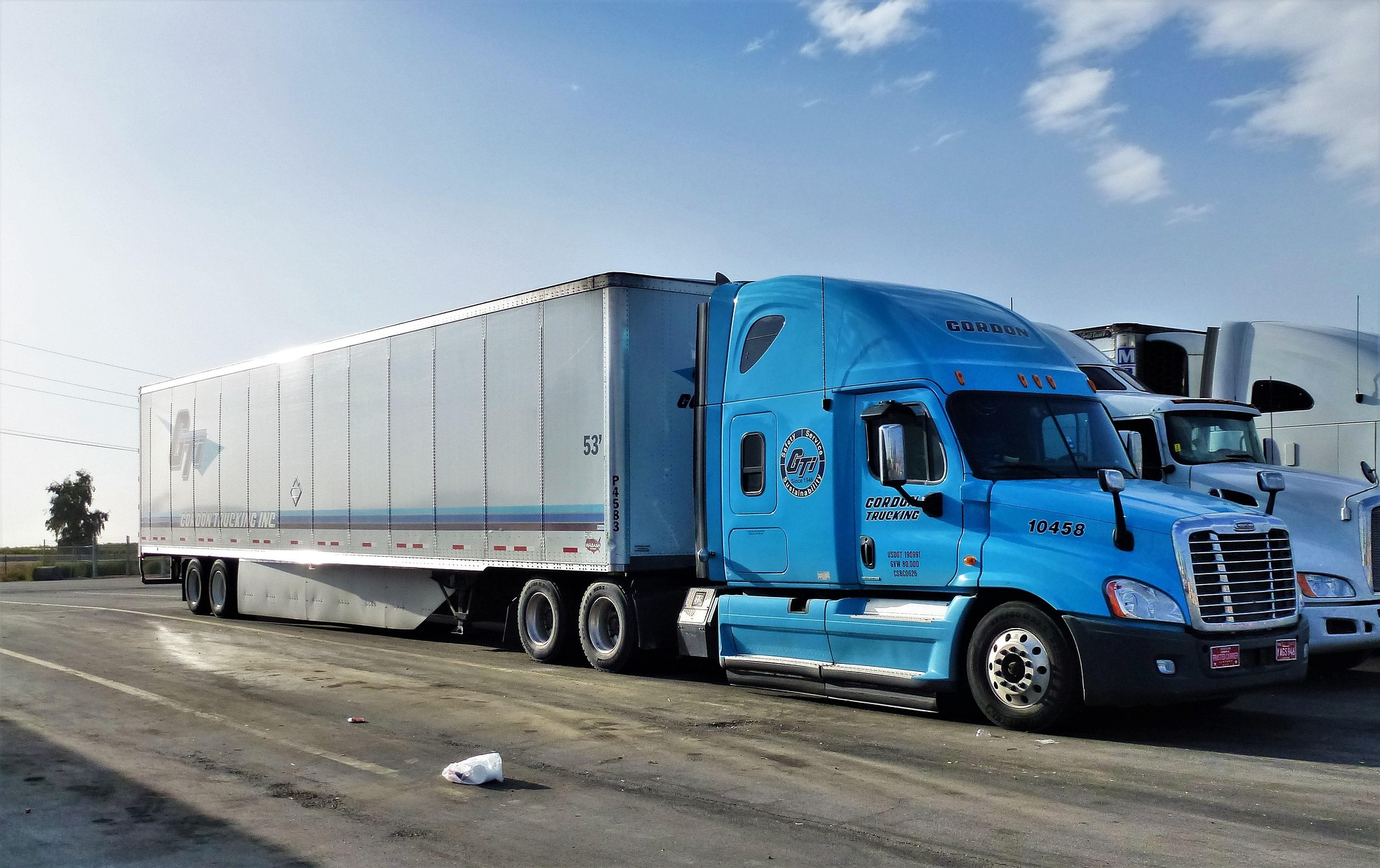
International freight forwarding plays a central role in global trade, even though much of the work happens behind the scenes. When a manufacturer in Europe ships machinery to the United States, an online retailer imports products from Asia, or a wholesaler moves several pallets between neighboring countries, somebody has to coordinate the journey. International freight forwarding brings together carriers, routes, documents, customs procedures and schedules so that cargo can move from its origin to its destination without the shipper having to manage every stage separately. https://www.arijus.lt/en/services/international-freight-forwarding-services
For businesses that ship internationally only occasionally, the process can look relatively simple: collect the goods, put them on a truck, vessel or aircraft and deliver them to the customer. In reality, cross-border freight involves considerably more coordination. A single shipment may pass through several terminals, change modes of transport and require different documents along the way. Delays at one point can affect the rest of the route, which is why good freight forwarding is less about simply booking transportation and more about managing the entire movement of cargo.
What does an international freight forwarder actually do?
A freight forwarder generally acts as an intermediary between the company shipping the goods and the different parties involved in transportation. Depending on the route, those parties may include trucking companies, shipping lines, airlines, terminals, customs brokers, warehouses and local delivery partners. Instead of the customer coordinating each company separately, the forwarder organizes the transport chain.
The exact scope varies. Some customers only need transportation arranged from one port to another, while others want door-to-door delivery. Freight forwarders may also coordinate cargo collection, consolidation, temporary storage, documentation, customs-related processes and final-mile transportation. For complicated routes, there can be quite a few moving parts.
This becomes particularly noticeable when something does not go according to the original plan. A missed vessel connection, congestion at a terminal or a documentation issue can quickly turn a routine shipment into several phone calls and emails across different time zones. An experienced forwarder is expected not only to arrange the original route but also to respond when that route needs to change.
Road, sea, air or a combination of several modes?
There is no single best way to transport international freight. The right option depends on where the cargo is going, its size and value, delivery deadlines and the budget available.
Road freight is widely used for shipments within Europe and other regions with strong cross-border road networks. It offers relatively flexible collection and delivery and can work for anything from a few pallets to full truckloads. For companies shipping smaller quantities, groupage or less-than-truckload services can make more sense than paying for an entire vehicle.
Sea freight becomes important over longer distances and for larger volumes. Containers can carry substantial amounts of cargo at a cost that is generally more suitable for non-urgent shipments, although transit times are considerably longer than by air. Businesses can use full container loads when volumes justify them or share container capacity when they have smaller consignments.
Air freight sits at the other end of the spectrum. It is typically chosen when speed matters enough to justify the higher transportation cost. High-value components, urgent spare parts, electronics and time-sensitive commercial goods are common examples. In real supply chains, however, the choice is not always strictly road versus sea versus air. Multimodal solutions combine different forms of transportation to balance cost, transit time and practical route availability.
Freight forwarding costs are rarely just one number
Price is naturally one of the first questions businesses ask, but international shipping rates depend on numerous variables. Weight and dimensions matter, as do the origin and destination, transportation mode, type of cargo and required delivery speed. Fuel-related charges, terminal handling, customs services, storage and other operational costs can also influence the final amount.
This is why two shipments with similar commercial values may have very different logistics costs. A compact pallet of dense goods behaves differently in the transport network from several pallets of lightweight but bulky products. Air freight is particularly sensitive to the relationship between actual and volumetric weight, while containerized sea freight has its own pricing structure.
The cheapest quote is therefore not automatically the cheapest shipment. A low initial rate can become less attractive if important services are excluded or if an unrealistic transit plan leads to storage, missed connections or other additional expenses. When comparing forwarding offers, businesses should look at what the quoted price actually includes.
Documentation can make or break a shipment
Physical transportation is only part of international logistics. Commercial invoices, packing lists, transport documents and customs information need to match the actual goods being shipped. Depending on the cargo, destination and applicable regulations, additional certificates, licences or supporting documents may also be necessary.
Small errors can have disproportionately large consequences. An incorrect product description or inconsistent shipment information may cause questions during customs clearance. If documents need to be corrected while the cargo is already sitting at a terminal, the delay can become expensive very quickly.
Companies that ship the same products on established routes usually develop fairly predictable processes over time. New markets tend to require more attention. Sending a product successfully to one country does not automatically mean that the same paperwork and procedures will work unchanged elsewhere.
Why customs deserves attention before the truck arrives
Customs clearance is sometimes treated as something to deal with once a shipment reaches the border. That is a risky approach. Classification, declared value, origin and other shipment information can affect duties, taxes and clearance requirements, so these details are better addressed before the cargo begins its journey.
The responsibilities of the seller and buyer also need to be clear. Commercial agreements and the selected Incoterms can determine who is responsible for particular transportation costs, risks and formalities at different stages of the shipment. When both sides assume that the other party is handling a task, cargo can end up waiting while the issue is sorted out.
For businesses entering a new export market, this planning stage is especially important. A transport route may look efficient on a map while becoming commercially unattractive once customs requirements, local delivery arrangements and associated costs are taken into account.
Visibility has become part of the service
Not long ago, many customers were satisfied with receiving a booking confirmation and an estimated delivery date. Expectations have changed. E-commerce has made people accustomed to watching a parcel move almost in real time, and business customers increasingly expect similar transparency from freight logistics.
International cargo is more complicated than a domestic parcel, so perfect real-time visibility is not always possible across every carrier and terminal. Still, businesses want to know whether the shipment has departed, where it is in the transport chain and whether the expected arrival has changed. This information affects warehouse staffing, production planning, customer communication and inventory decisions.
For a company waiting for a critical component, a delay itself may be manageable if it is known early enough. Finding out on the expected delivery day is a different situation. Good forwarding therefore increasingly involves useful communication and data, not merely moving freight.
When does outsourcing freight forwarding make sense?
A company can theoretically arrange international transportation directly with carriers. For large organizations with dedicated logistics departments and significant shipping volumes, direct carrier relationships may form an important part of the supply chain. Smaller and mid-sized businesses, however, often do not have the time or resources to manage multiple carriers, terminals and international procedures internally.
Using a freight forwarder also gives businesses access to different transport options without having to build a separate relationship for every route. If one month a company needs a full truck to Germany, the next an ocean container to Canada and later an urgent air shipment from Asia, managing all of those movements internally can become a job in itself.
That does not mean every business needs the same level of service. A company sending one straightforward shipment per quarter has very different requirements from an importer receiving containers every week. The forwarding arrangement should fit the actual volume and complexity of the supply chain rather than adding unnecessary layers to it.
Choosing a freight forwarding partner
Coverage is an obvious consideration. A forwarder may have excellent capabilities on certain European routes but limited options elsewhere, while another may specialize in intercontinental sea or air freight. Businesses should look at the provider’s experience with the countries, transport modes and cargo types they actually use.
Communication matters just as much. International logistics occasionally involves delays that nobody can completely eliminate: weather disrupts schedules, ports become congested, capacity changes and customs authorities may inspect shipments. The practical difference often comes down to how quickly the problem is identified and how clearly alternative options are communicated.
It is also worth examining the operational side before committing significant cargo volumes. Businesses can ask how shipment tracking works, who handles customs-related communication, what happens when delivery plans change and which charges may arise outside the original quotation. These questions are far easier to settle before the first urgent shipment is already in transit.
International freight forwarding works best when it becomes a predictable part of the supply chain rather than a series of last-minute transport bookings. Rates will always matter, but reliability, route planning, documentation, communication and the ability to react when conditions change can be equally important. For businesses trading across borders, the real value of a capable freight forwarder is often simple: fewer logistics problems demanding attention while the company gets on with selling, producing and serving its customers.
Leave a Reply